Bwindi Impenetrable National Park

Ancient rainforest, steep ridges and home to half of the world’s mountain gorillas

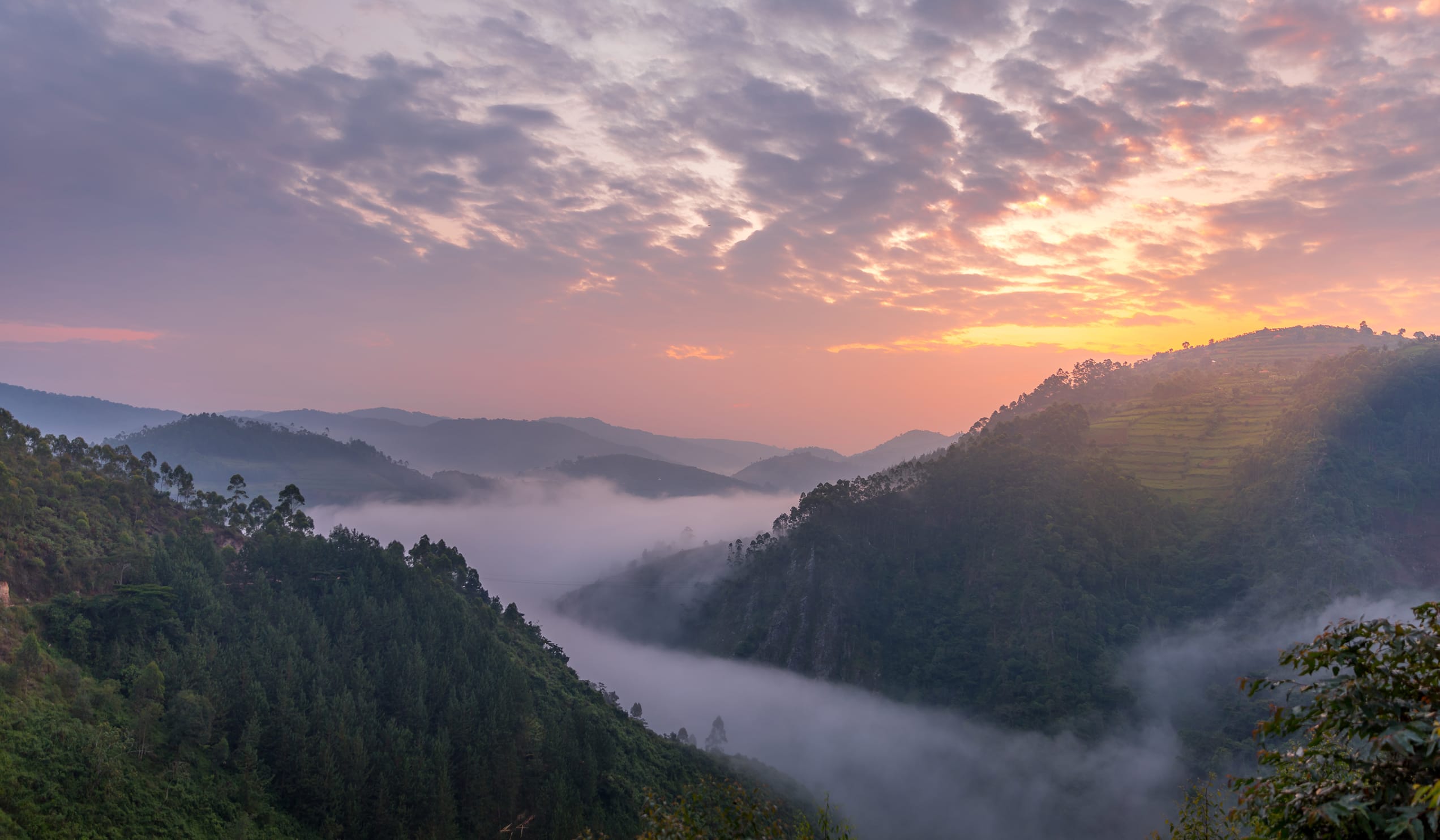
Bwindi Impenetrable National Park is situated in the southwestern part of Uganda, on the boundary of the Albertine Rift Valley, at elevations ranging from 1,160 m to 2,607 m. It is a genuine tropical rainforest spread over steep ridges and valleys.

Ancient Rainforest Ecosystem Biodiverse tropical forests.
Famous for Mountain Gorillas spotting
Albertine Rift Birdlife Discover rare and endemic bird species

A UNESCO World Heritage rainforest in southwestern Uganda

The park forms part of the Bwindi Impenetrable Forest and lies along the border with the Democratic Republic of Congo next to Virunga National Park. Covering approximately 331 square kilometres, it contains both montane and lowland forest and is accessible only on foot. Bwindi is a UNESCO-designated World Heritage Site and one of the richest ecosystems in Africa.

In the local language, “Bwindi” means “dark place”, referring to the impenetrable nature of the thick forest.

Question about this National park?

Our team is ready to answer your questions and can help plan your perfect trip to Uganda. Don’t hesitate and reach out!

Prishilla, Sarah & Jenniffer

Tour Consultants & Gorilla Guide gorilla@gorillatours.com Chat on Whatsapp

History and Landscape

Dense forest across a dramatic rift valley terrain

Bwindi Impenetrable Forest Reserve was established in 1942 and later upgraded to a national park in 1992. In 1994, it was recognized as a World Heritage Site.

The park covers about 327 square kilometres of dense vegetation draped over a deeply fissured landscape of steep ridges and narrow valleys.

Mountain Gorillas

Nearly half of the world’s remaining population

The park is home to around 400 individual mountain gorillas (Gorilla beringei beringei), representing almost half of the global population. The remaining mountain gorillas live mainly in the nearby Virunga National Park.

Census data has shown gradual population growth over the years, increasing from approximately 300 individuals in 1997 to 340 individuals in 2006.

Gorilla tracking is the park’s main tourist attraction. Visitors must obtain a permit in advance, and access to habituated gorilla families is strictly controlled to protect the animals and their habitat.

Wildlife and Biodiversity

Exceptional primate and bird diversity

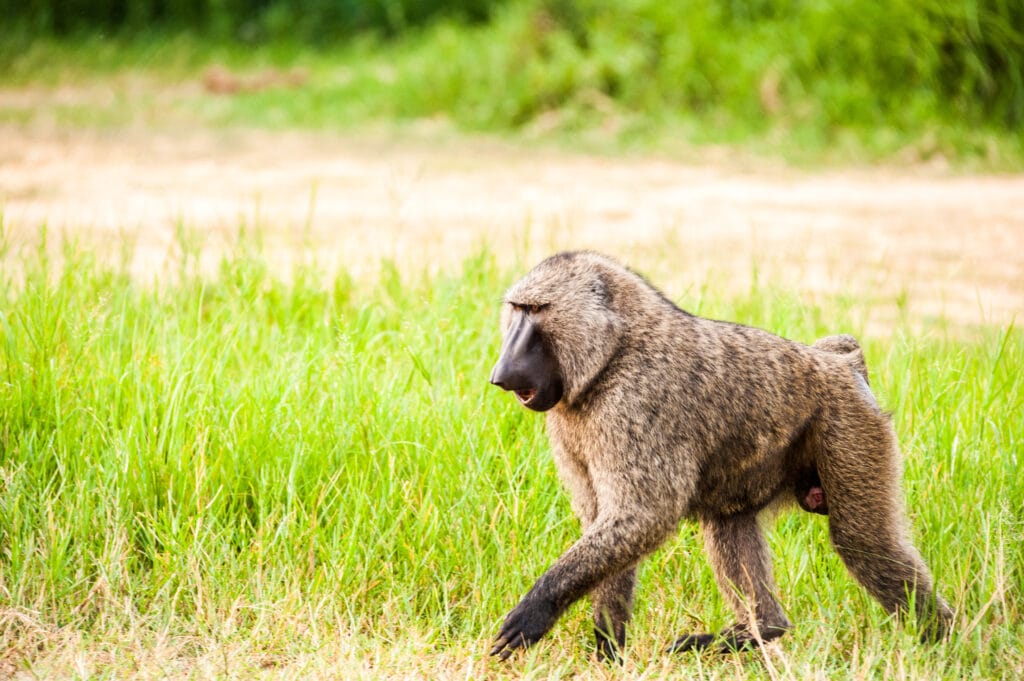
There are 11 species of primates recorded in the park, including chimpanzees, L’Hoest’s monkey, red-tailed monkey, blue monkey, black and white colobus and olive baboon.

Bwindi is also home to 346 recorded bird species, including 90% of all Albertine Rift endemics, and approximately 200 species of butterflies.

Travel and Access

Remote location and seasonal considerations

Tourists can visit the park throughout the year, although conditions can be more challenging during the rainy season.

Accommodation options include lodges, tented camps and community-run guesthouses near the Buhoma entrance gate.

Access involves a long journey. It is approximately a six hour drive from Kampala to Kabale. From Kabale to Buhoma Park Headquarters takes three to four hours and may require a 4WD vehicle. Public transport options are limited and less predictable.

Once-in-a-lifetime

Plan Your Gorilla Trek with GorillaTours

Ready for a once-in-a-lifetime adventure?
Our specialists design personal, flexible and safe gorilla trekking journeys through Bwindi Impenetrable National Park. Start planning your trip tod and safe gorilla trekking journeys through Bwindi Impenetrable National Park. Start planning your trip today.
GorillaTours – Where your journey into the wild begins.

Contact our travel agents